
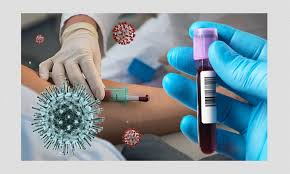
Plasma therapy is an experimental approach to treat COVID positive patients and help them recover faster
Many options are being explored to treat COVID-19. These include new drugs specifically designed to target, as well as “repurposed” drugs – that is existing drugs designed to treat a different disease. By far the oldest treatment being tested though is convalescent plasma. This involves using blood plasma from people who have recovered from COVID-19 and infusing it into patients who currently suffering from this disease .
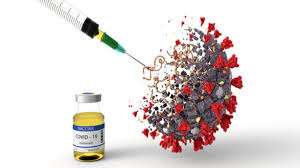
Plasma is the liquid portion of blood that remains when all red and white blood cells and platelets have been removed.
We now know that the key component of plasma for treating infections is antibodies. Antibodies are Y-shaped proteins that are highly specific for whichever infection a person has previously encountered. They are produced in vast quantities by B cells of our immune system in order to bind to the invading virus and then target it for destruction. The concept of vaccination relies on stimulating antibody production to infections not yet met. In contrast, using convalescent plasma involves the transfer of antibodies from donors who have already mounted an immune response, thus offering immediate (but transient) protection to the recipient.
Convalescent plasma treatment was also tested during the Ebola virus outbreak in 2013-2016. Several case reports showed promising results, but again, large-scale randomised trials were not performed more extensive studies are now in the line to provide vigorous evidence either for or against the use of convalescent plasma. Worldwide there are over 60 clinical trials are going actively recruiting COVID-19 patients to study the effect of convalescent plasma. Patients are typically given about 500ml plasma intravenously, and their progress is then carefully monitored.
How safe is convalescent plasma?
It’s important to keep in mind that there are many potential risks with receiving plasma from another person. Mild side effects are developing a fever or allergic reactions, such as a rash and an itchy sensation. The plasma should be compatible with the recipient’s blood group to prevent transfusion reactions.
Conclusion:
Fingers crossed for a positive outcome for convalescent plasma use in COVID-19. Hopefully, our improved understanding of therapy will also be valuable for this pandemics situation in the future.
 lets thrive now